How Do Elevators Work? A Closer Look at the Technology Behind the Ride
Most people use elevators without thinking twice about what happens after pressing a button. The doors close, there is a brief pause, and then you are moving smoothly to another floor. It feels effortless, but behind that simple experience is a carefully engineered system designed to move people safely and efficiently every day.
The Two Main Types of Elevators
Understanding how elevators work starts with recognizing that there are two primary types used in most buildings. Each relies on a different method to lift and lower the elevator car.
Traction Elevators
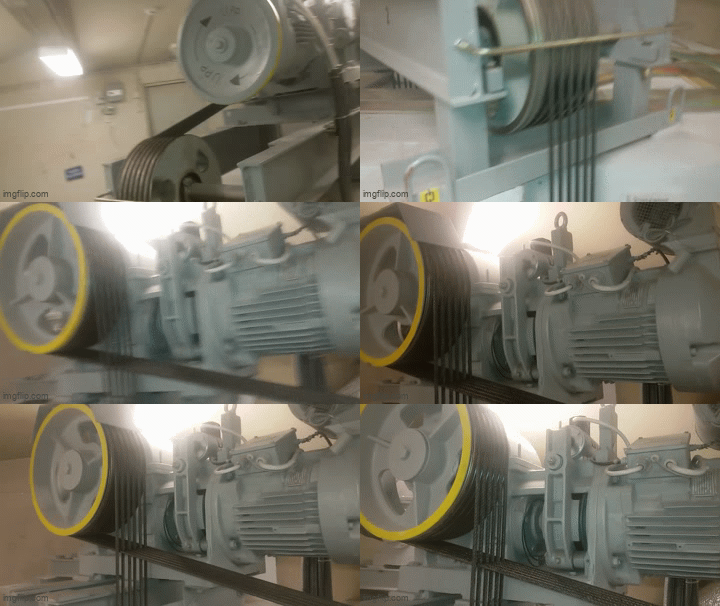
Traction elevators are the most common type found in office buildings, apartment complexes, and hotels. These systems use steel cables that connect the elevator car to a counterweight. The cables run over a pulley powered by an electric motor. When the motor turns the pulley, the elevator car moves up or down.
The counterweight balances much of the elevator’s load, which means the motor does not need to lift the full weight of the car. This makes traction elevators more energy efficient and allows for smoother operation. These systems are also well suited for taller buildings because they can travel longer distances at higher speeds.
Hydraulic Elevators
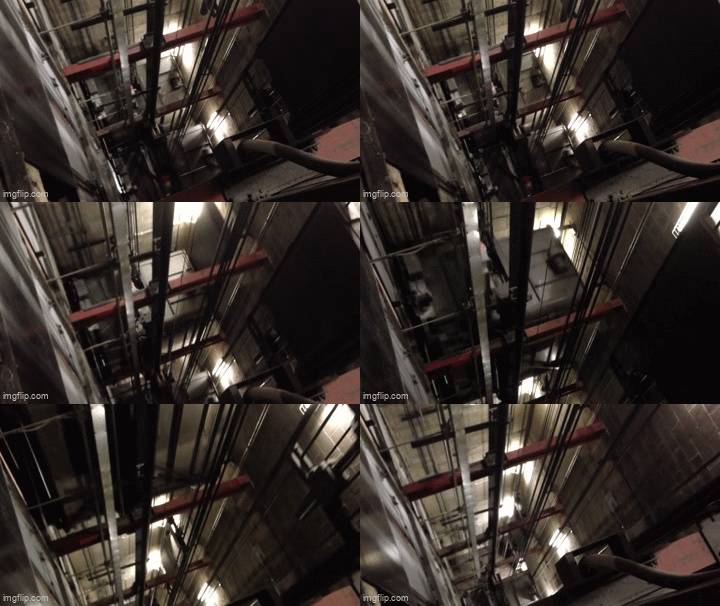
Hydraulic elevators are typically used in shorter buildings. Instead of cables, they rely on fluid pressure to move the elevator car. A piston located beneath the car is housed inside a cylinder. When hydraulic fluid is pumped into the cylinder, it pushes the piston upward, raising the elevator.
To lower the car, the system slowly releases the fluid, allowing gravity to bring the elevator back down in a controlled manner. Hydraulic elevators are known for their simplicity and durability, although they generally operate more slowly and use more energy than traction systems. For low rise buildings, however, they remain a practical and reliable choice.
The Key Components Behind the Scenes
No matter the type of elevator, several core components work together to make the system function.
The Motor and Drive System
The motor provides the force needed to move the elevator. In traction systems, it turns the pulley that moves the cables. In hydraulic systems, it powers the pump that moves fluid into the cylinder. Modern drive systems carefully control speed to ensure smooth starts and stops.
The Control System
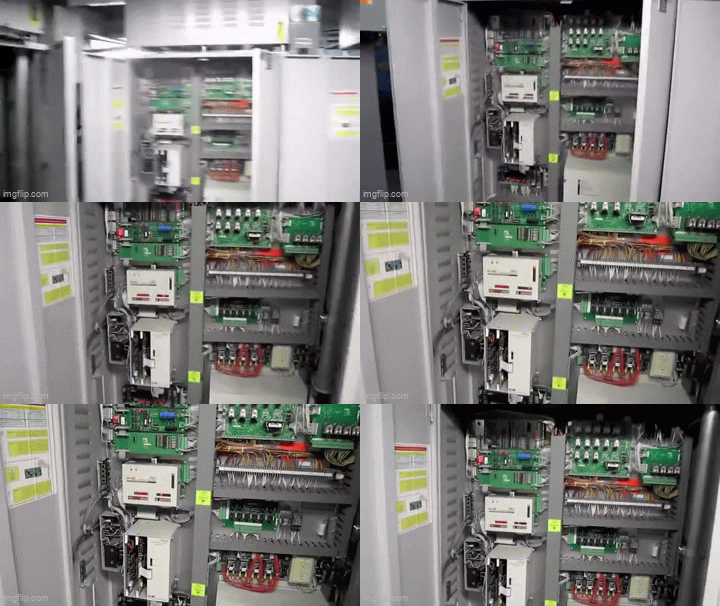
The control system acts as the brain of the elevator. It processes button inputs, determines where the elevator should go, and manages how it responds to multiple requests. In larger buildings, advanced control systems can coordinate multiple elevators to improve efficiency and reduce wait times.
The Car, Hoistway, and Guide Rails
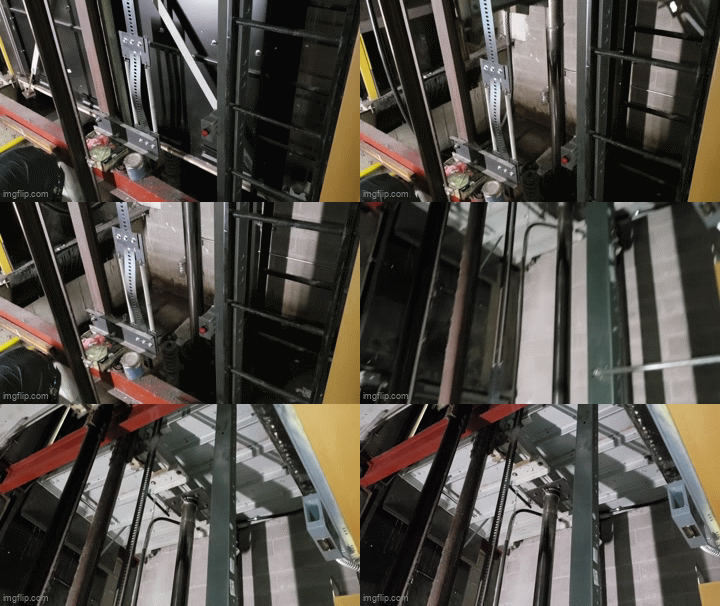
The elevator car is the space passengers occupy. It travels within the hoistway, which is the vertical shaft built into the structure of the building. Guide rails keep the car aligned and stable as it moves, preventing swaying and ensuring a comfortable ride.

Built for Safety at Every Level
Safety is one of the most important aspects of elevator design, and it is built into every part of the system. Multiple layers of protection work together to prevent accidents and respond to potential issues.
Speed Control and Braking
If an elevator begins to move too quickly, a device called a governor detects the change in speed and activates safety mechanisms to stop the car. Braking systems are designed to engage automatically and hold the elevator securely in place when needed.
Redundant Cables and Backup Systems
Traction elevators use multiple steel cables, each strong enough to support the elevator car. This redundancy ensures that the system remains safe even in unlikely scenarios. Additional safeguards are built into every system to maintain reliability.
Doors and Emergency Features
Door sensors prevent the doors from closing if something is in the way, helping to protect passengers. Elevators are also equipped with emergency communication systems so riders can call for assistance if needed.
Why Modern Elevators Feel So Smooth
Many people notice that elevators today start and stop gently. This is due to advanced motor control technology that gradually increases and decreases speed instead of changing it abruptly.
This smooth operation not only improves comfort but also reduces wear on the system, helping extend the life of the elevator and maintain consistent performance over time.
A Simple Ride Backed by Smart Engineering
At first glance, an elevator ride may seem simple, but it is actually the result of precise coordination between mechanical systems, electrical components, and intelligent software. Every trip is supported by decades of engineering innovation focused on safety, efficiency, and reliability.
The next time you step into an elevator, it is worth taking a moment to appreciate what is happening behind the scenes. What feels like an everyday convenience is actually a sophisticated system working quietly to move you exactly where you need to go.
Why Elevator Maintenance Matters
Even the most advanced elevator systems rely on regular maintenance to perform at their best. Over time, components like cables, motors, hydraulic systems, and control equipment experience wear from daily use. Without proper attention, small issues can develop into larger problems that affect performance, safety, and reliability.
Routine maintenance helps ensure that every part of the elevator system is operating as intended. Technicians inspect key components, make necessary adjustments, and replace worn parts before they fail. This proactive approach reduces the risk of unexpected breakdowns and helps keep elevators running smoothly for building occupants.
Maintenance also plays a critical role in safety. While elevators are built with multiple layers of protection, those systems must be regularly tested and maintained to function properly. From braking systems to door sensors, each feature needs to be checked to ensure it will respond correctly when needed.
In addition to safety and reliability, regular maintenance can extend the lifespan of an elevator system. Well-maintained equipment operates more efficiently and experiences less strain over time, which can delay the need for costly repairs or full replacements.
For property owners and managers, consistent elevator maintenance is not just about avoiding downtime. It is about providing a dependable experience for tenants, visitors, and staff. A properly maintained elevator reflects the overall quality and care of a building, while also helping meet regulatory requirements and industry standards.