Architectural Highlights of Olympia: Buildings That Tell the Story of a Capital City
Olympia may be small, but its architecture punches well above its weight. As Washington’s capital and a longtime hub for artists, activists, and independent thinkers, the city’s buildings reflect power, history, creativity, and grit, sometimes all on the same block.
For Olympic Elevator, we’re taking a vertical tour through some of Olympia’s most interesting structures.
Washington State Capitol
Let’s start with the heavyweight.
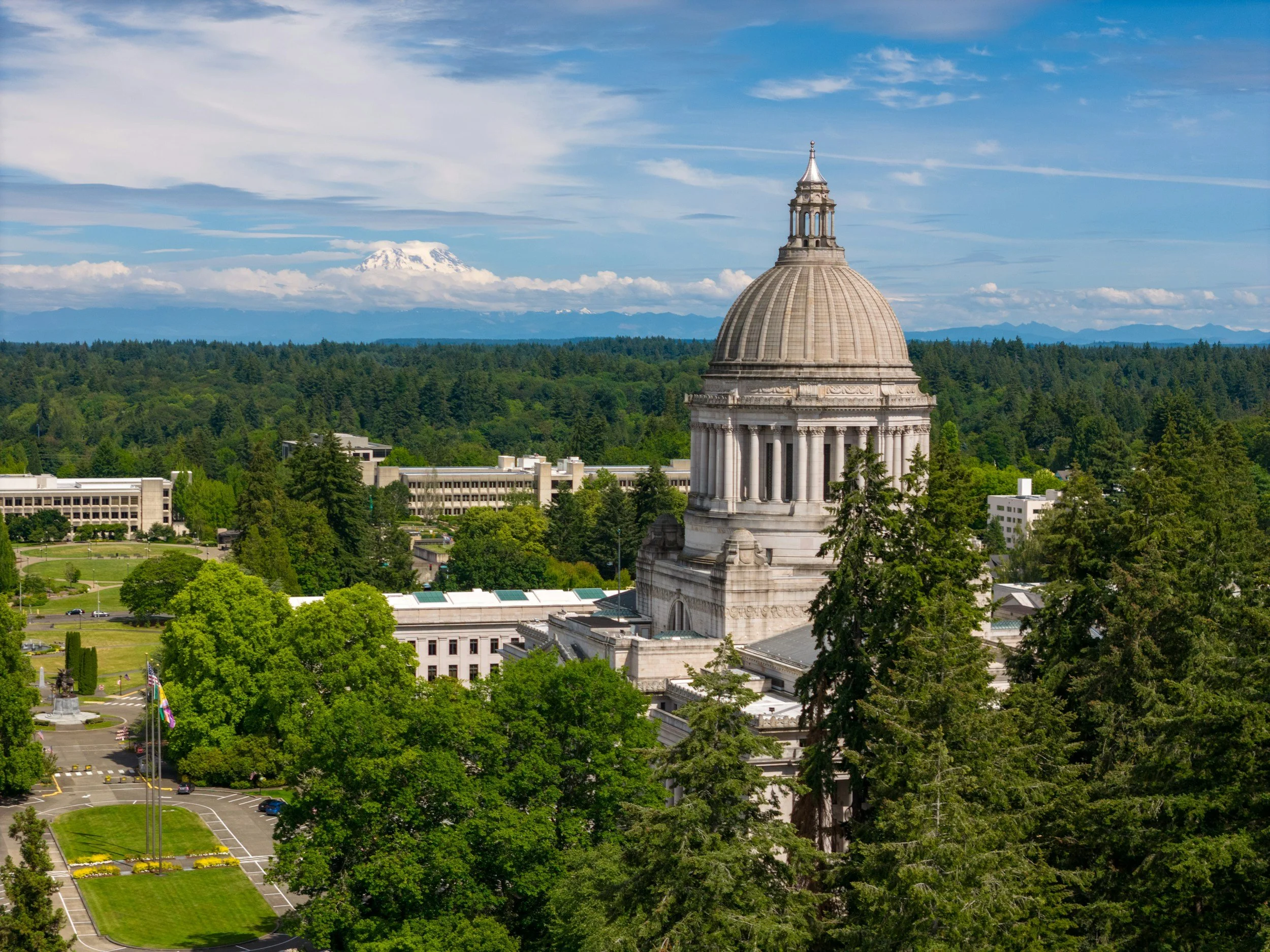
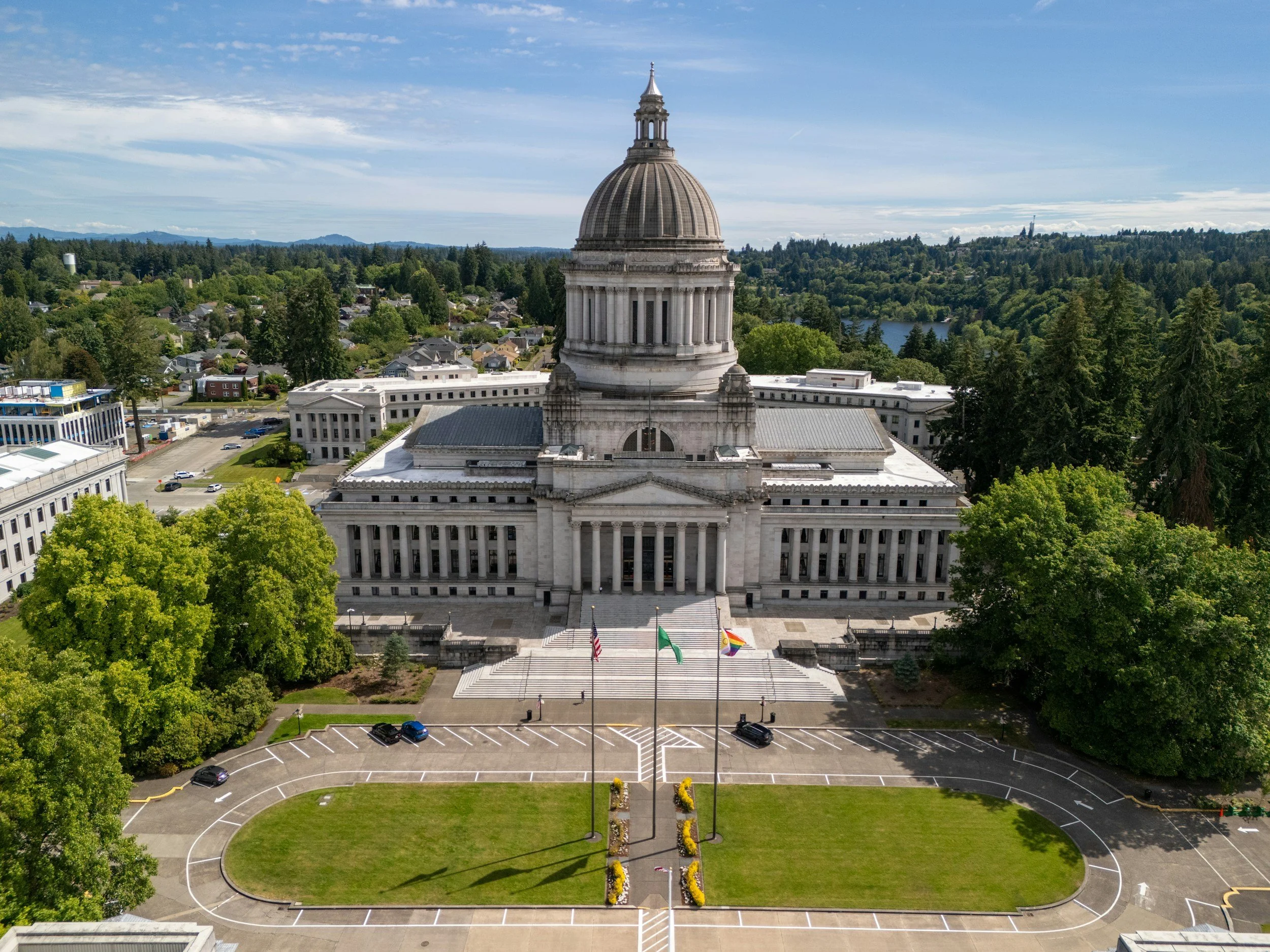
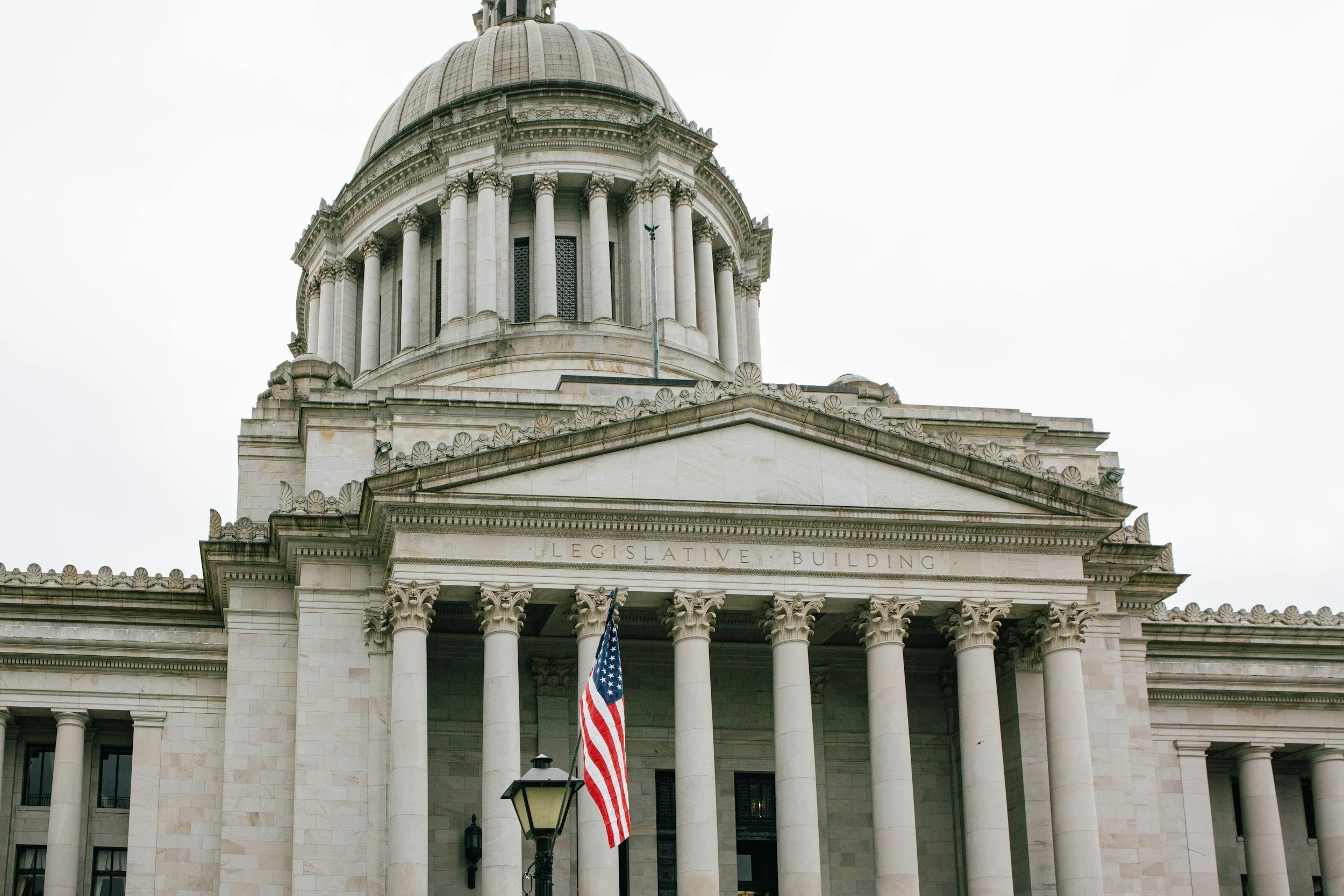
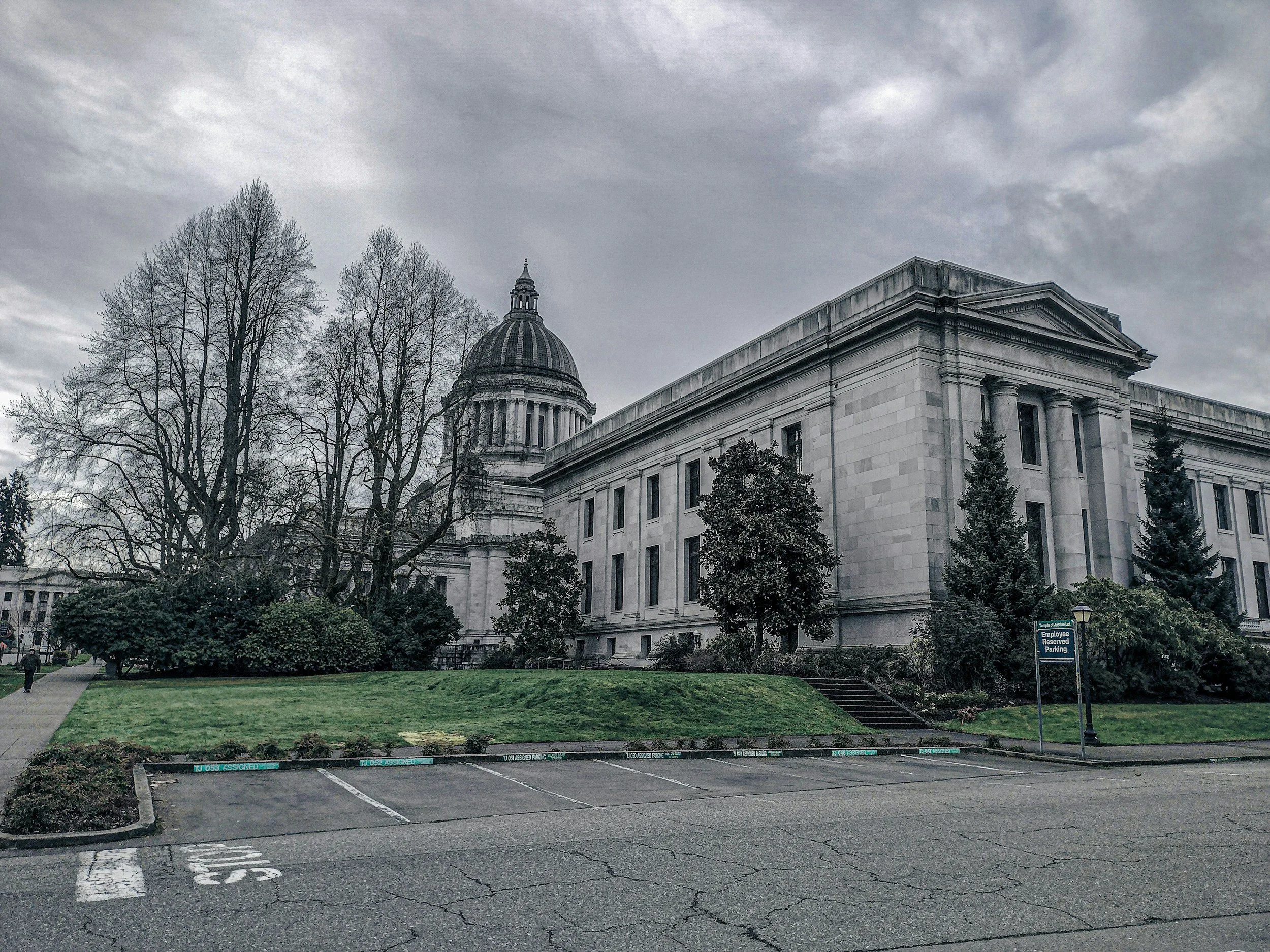
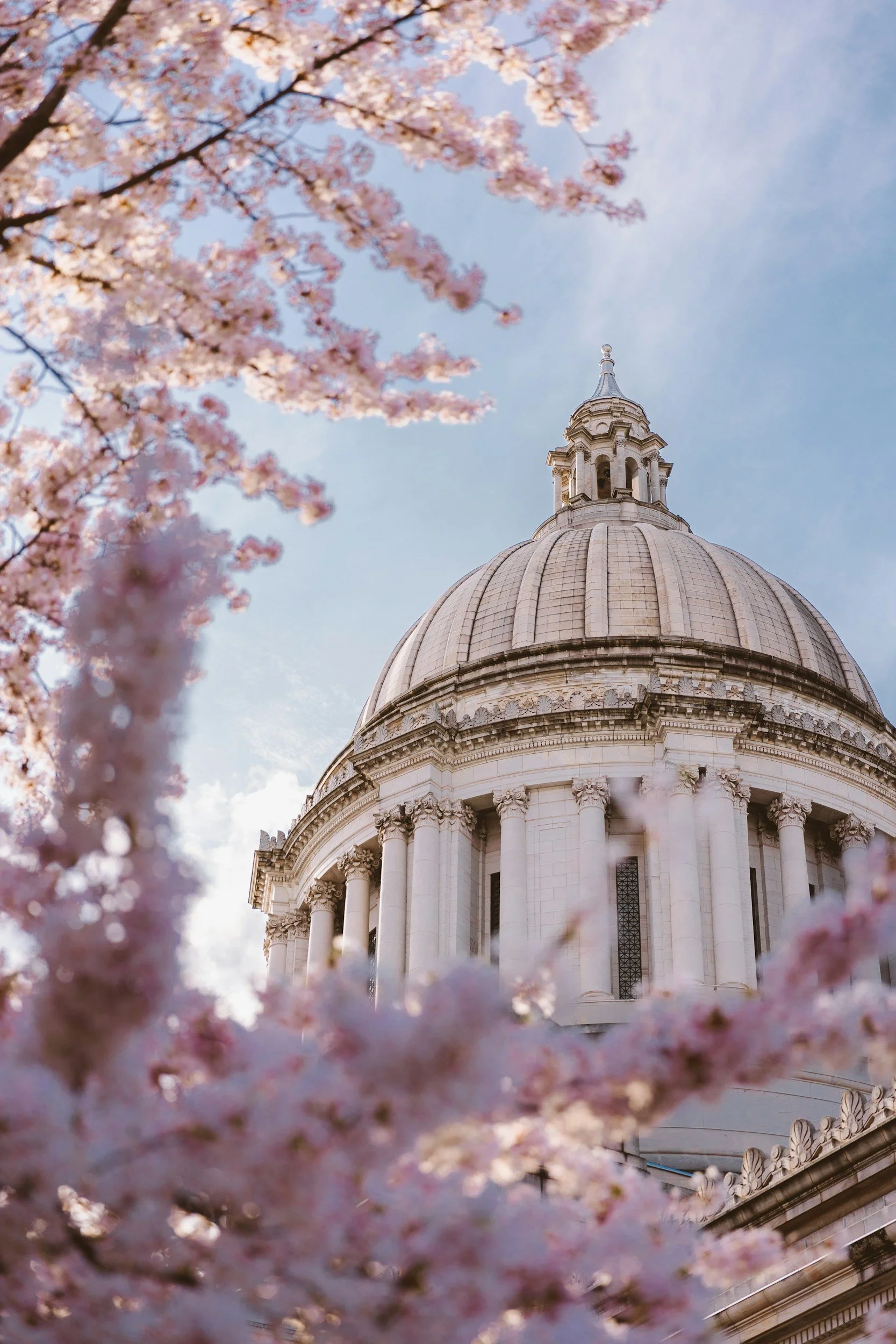
Completed in 1928, the Legislative Building anchors the Capitol Campus with a 287-foot dome, one of the tallest masonry domes in North America. Designed by architect Walter Wilder in a Beaux-Arts style, it was meant to project permanence and civic pride.
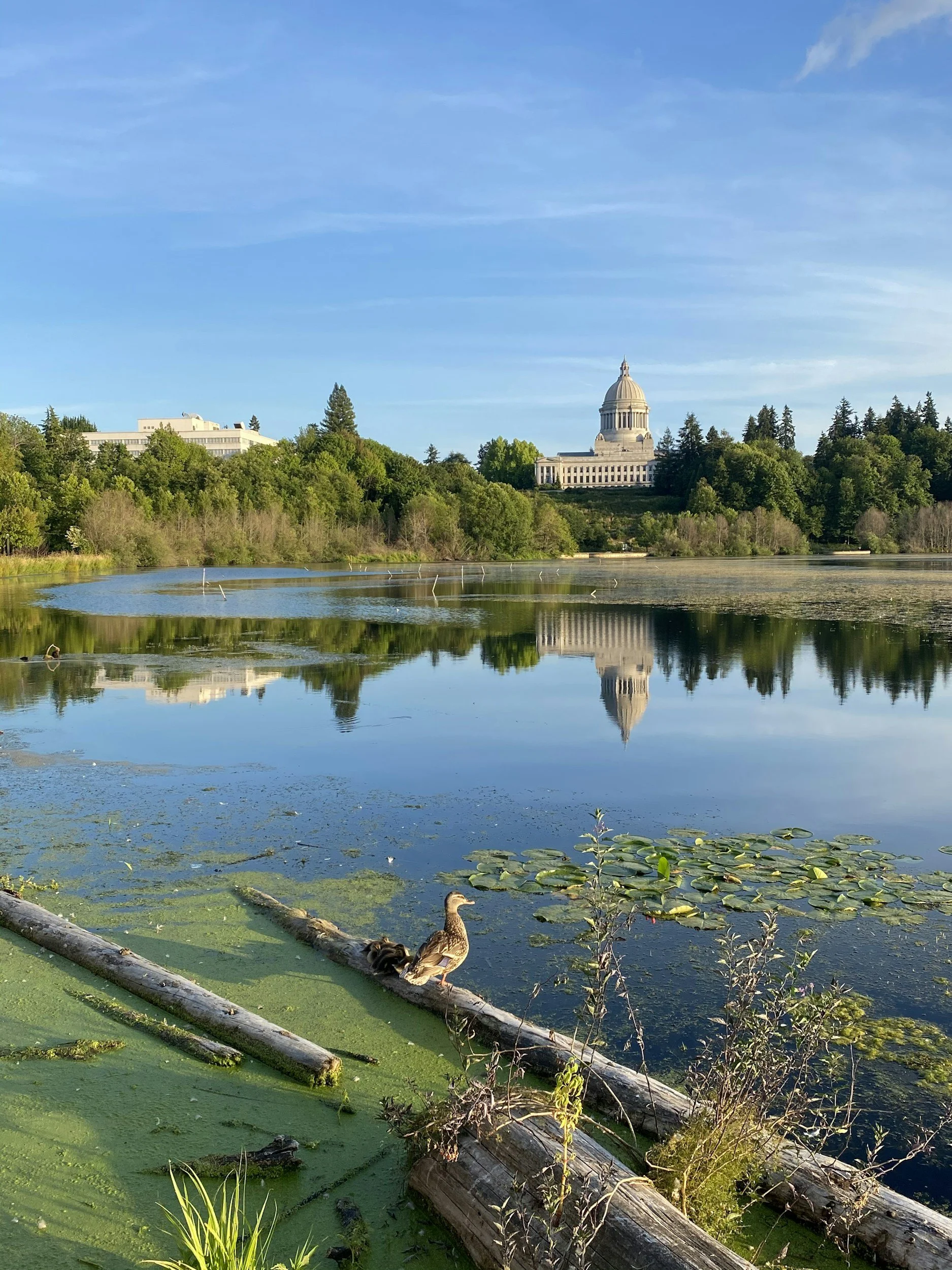
Inside, you’ll find marble from Alaska, bronze fixtures, and a rotunda that feels intentionally grand. Step outside and the building reflects beautifully across Capitol Lake, creating one of the most iconic views in the state.
It’s formal. It’s imposing. It’s Olympia’s architectural crown.
Old Capitol Building
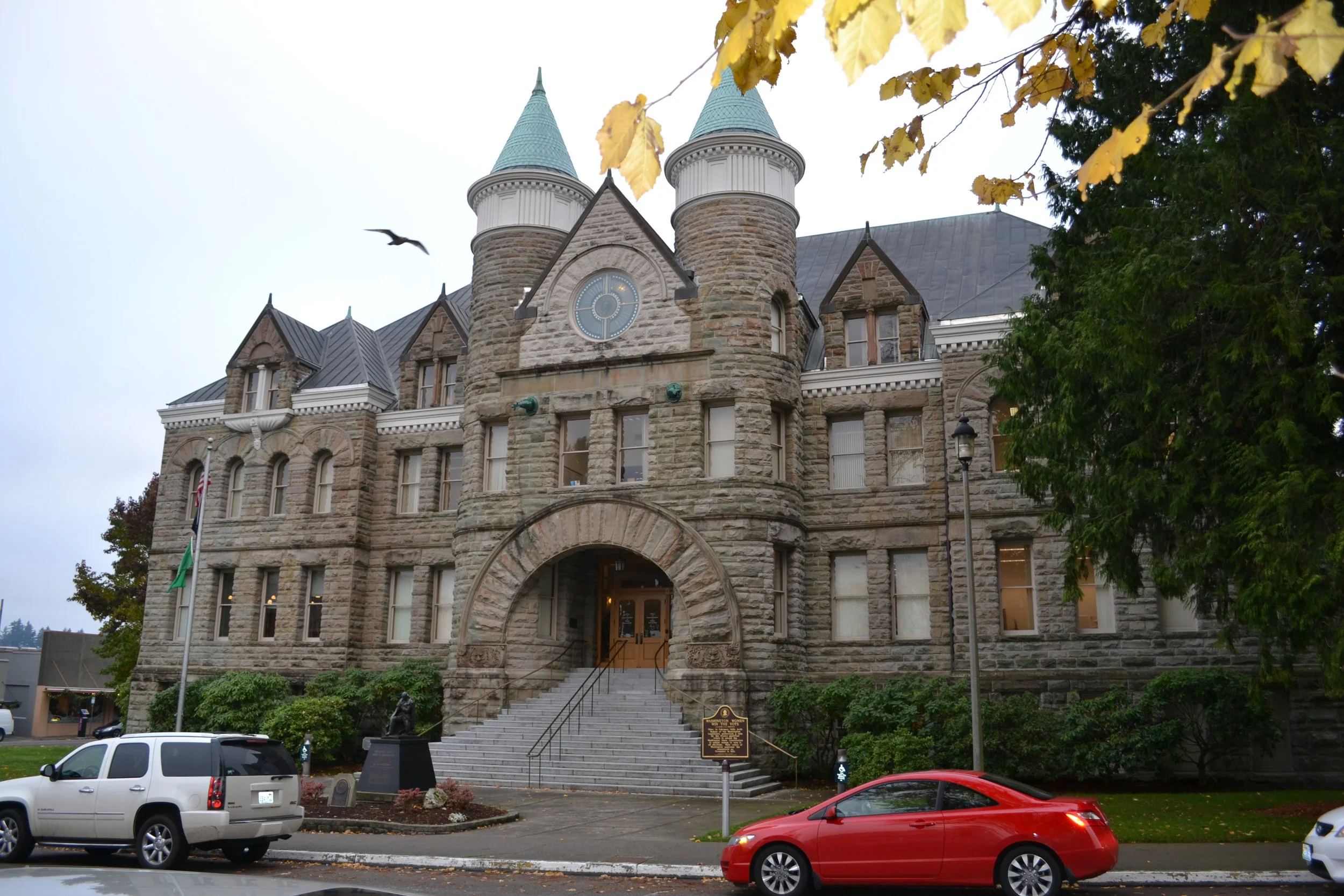
Before the domed Capitol Campus existed, this Romanesque Revival structure served as Washington’s territorial capitol and later as the state capitol until 1928.
Built in 1892, its red brick façade, rounded arches, and clock tower give it a very different personality than the current capitol building. It feels less imperial and more frontier-era ambitious, a reminder that Olympia was once a rough-and-tumble port town trying to define itself.
Today it houses government offices, but its exterior remains one of the city’s most distinctive historic landmarks.
Percival Landing (and the Waterfront Structures)
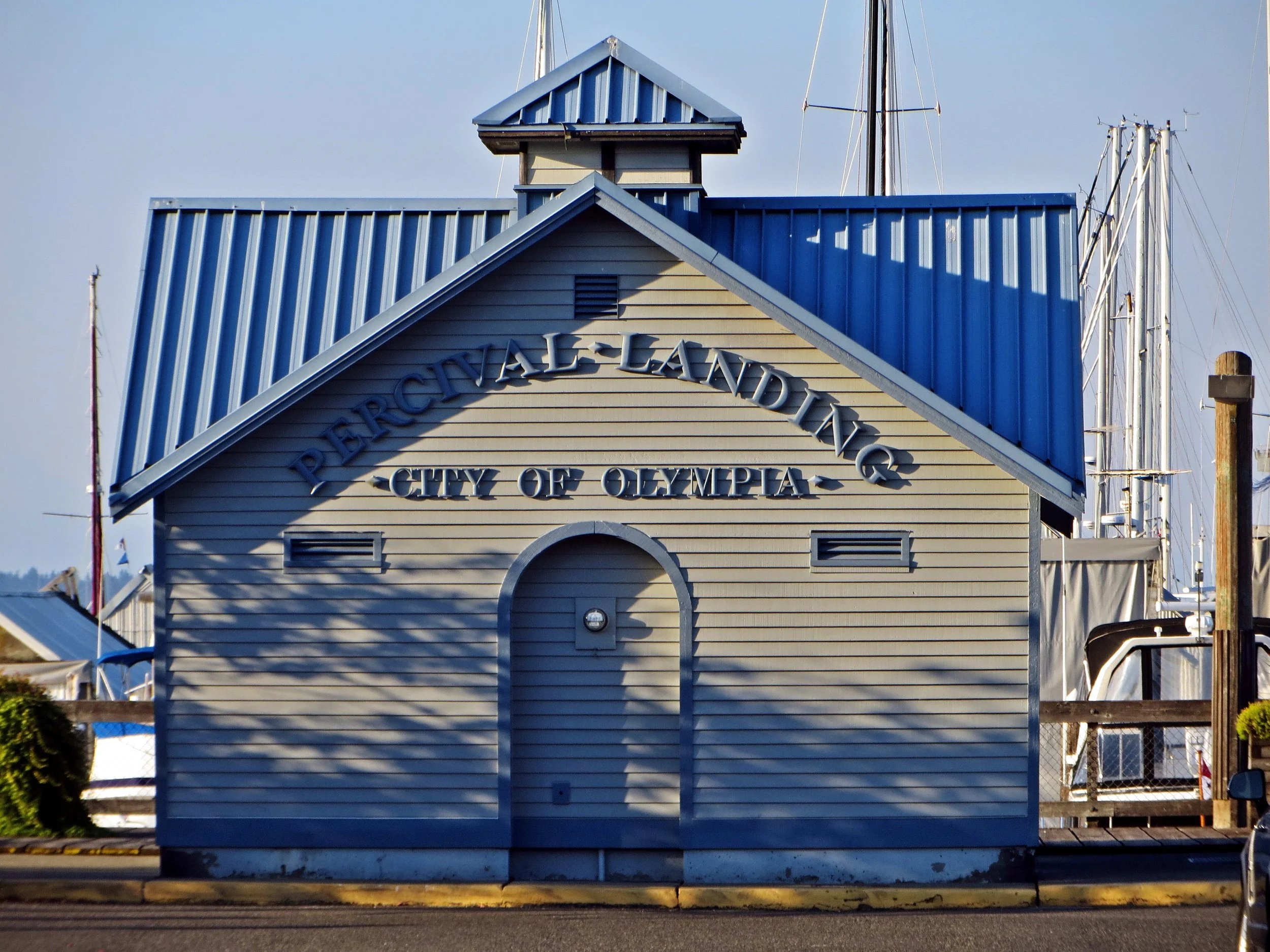
While not a single building, Percival Landing deserves mention for its collection of maritime-inspired structures. The boardwalk, pavilions, and viewing towers blend Pacific Northwest wood design with practical waterfront functionality.
Olympia’s relationship with Budd Inlet shaped its early development, and the waterfront buildings reflect that working-harbor heritage.
You don’t just see the water here. The architecture frames it.
The Evergreen State College Campus
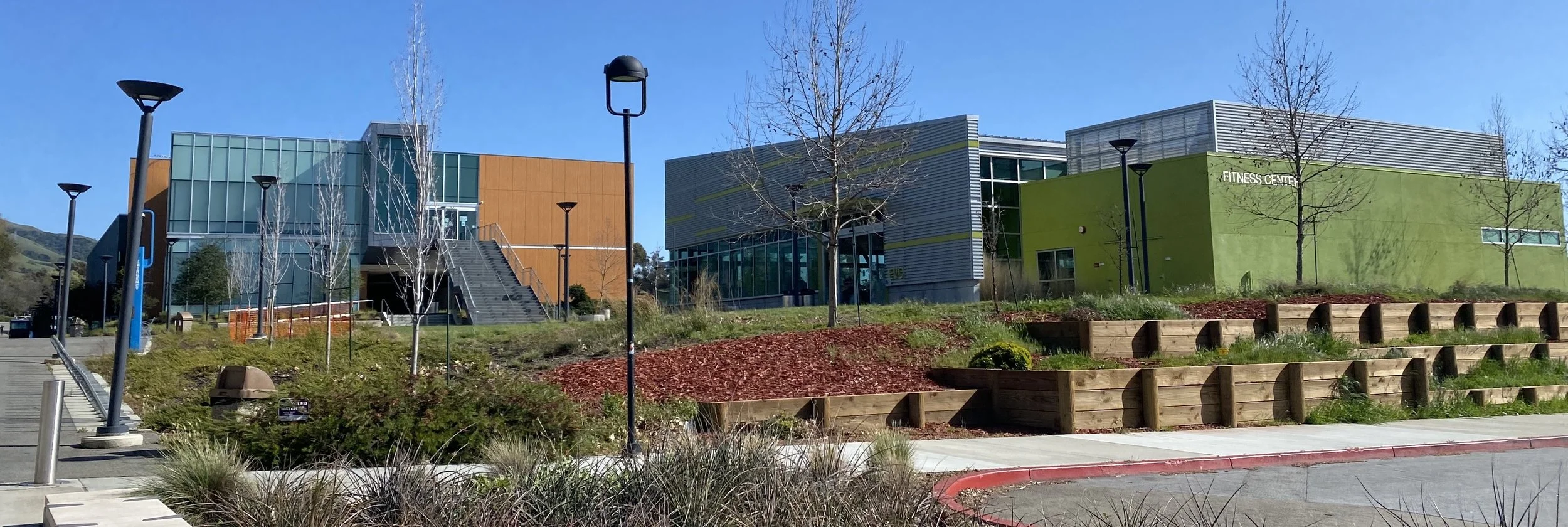
Brutalist fans, this one’s for you.
Evergreen’s campus leans heavily into concrete, low-slung modernism, and forest integration. Built in the late 1960s and early 1970s, the structures reflect the era’s experimental design philosophy: communal, flexible, and intentionally unconventional.
Massive concrete forms rise directly from wooded landscapes, often softened by moss and evergreens. It’s architecture that feels both institutional and oddly organic.
Love it or hate it, it’s unmistakably Evergreen.
The Bigelow House Museum
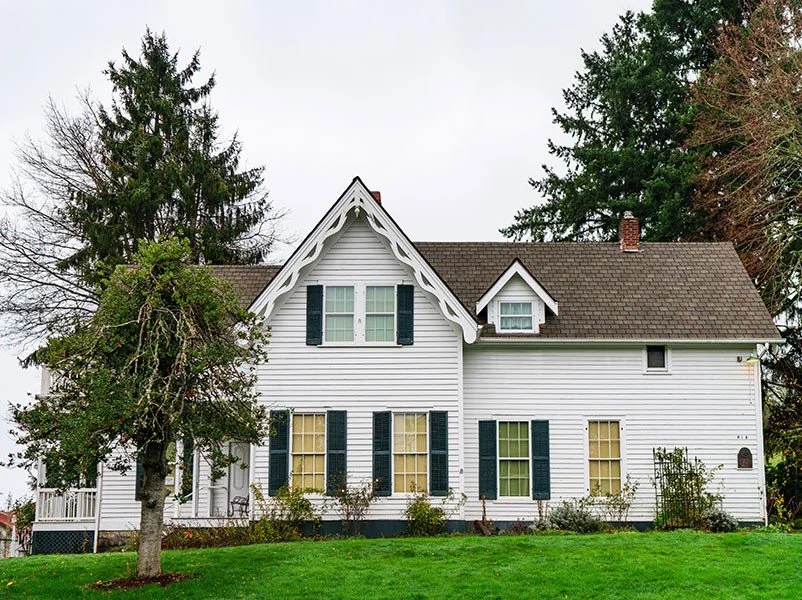
Olympia’s oldest surviving home, the Bigelow House was built in 1855 and offers a stark contrast to the Capitol Campus grandeur. This simple wood-frame home reflects early settler life and the modest scale of Olympia’s beginnings.
Its preservation tells a quiet but important story: before marble domes and legislative chambers, there were wooden houses overlooking a muddy inlet.
Downtown’s Historic Brick Blocks
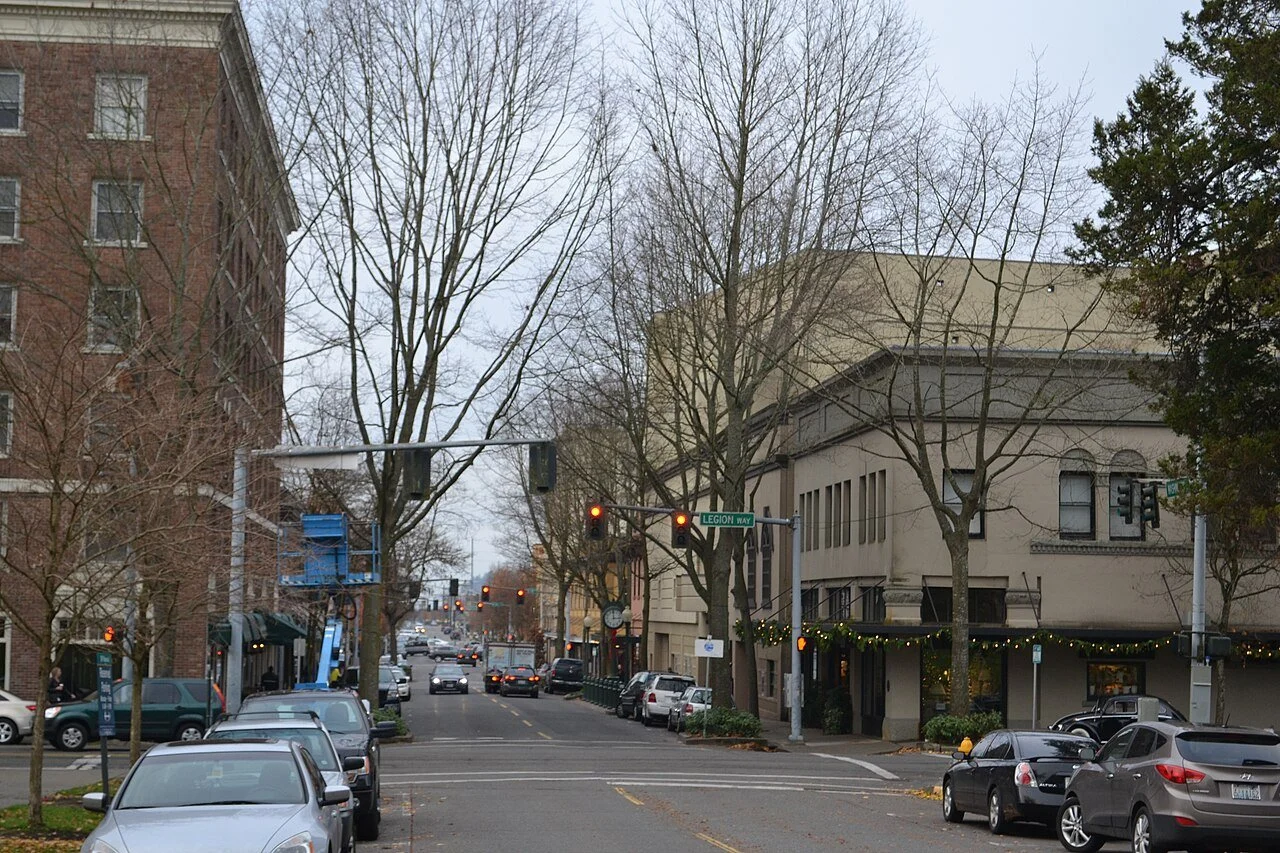
Wander through downtown Olympia and you’ll find late 19th and early 20th century brick commercial buildings with ornate cornices, tall windows, and decorative ironwork.
Many of these buildings survived fires, earthquakes, and shifting economies. Today they house record stores, bookstores, cafés, and vintage shops. The architecture creates a streetscape that feels cohesive and walkable, textured rather than flashy.
Look up when you walk downtown. The details are in the upper floors.
A City Built in Layers
What makes Olympia architecturally compelling isn’t just any single building. It’s the layering:
Territorial-era brick
Beaux-Arts civic grandeur
1970s concrete experimentation
Waterfront wood design
Adaptive reuse downtown
In a compact footprint, you can trace more than 150 years of civic ambition and cultural evolution.
For Olympic Elevator, Olympia proves that small cities can still rise to architectural greatness. You just have to look up — and sometimes, around the corner.